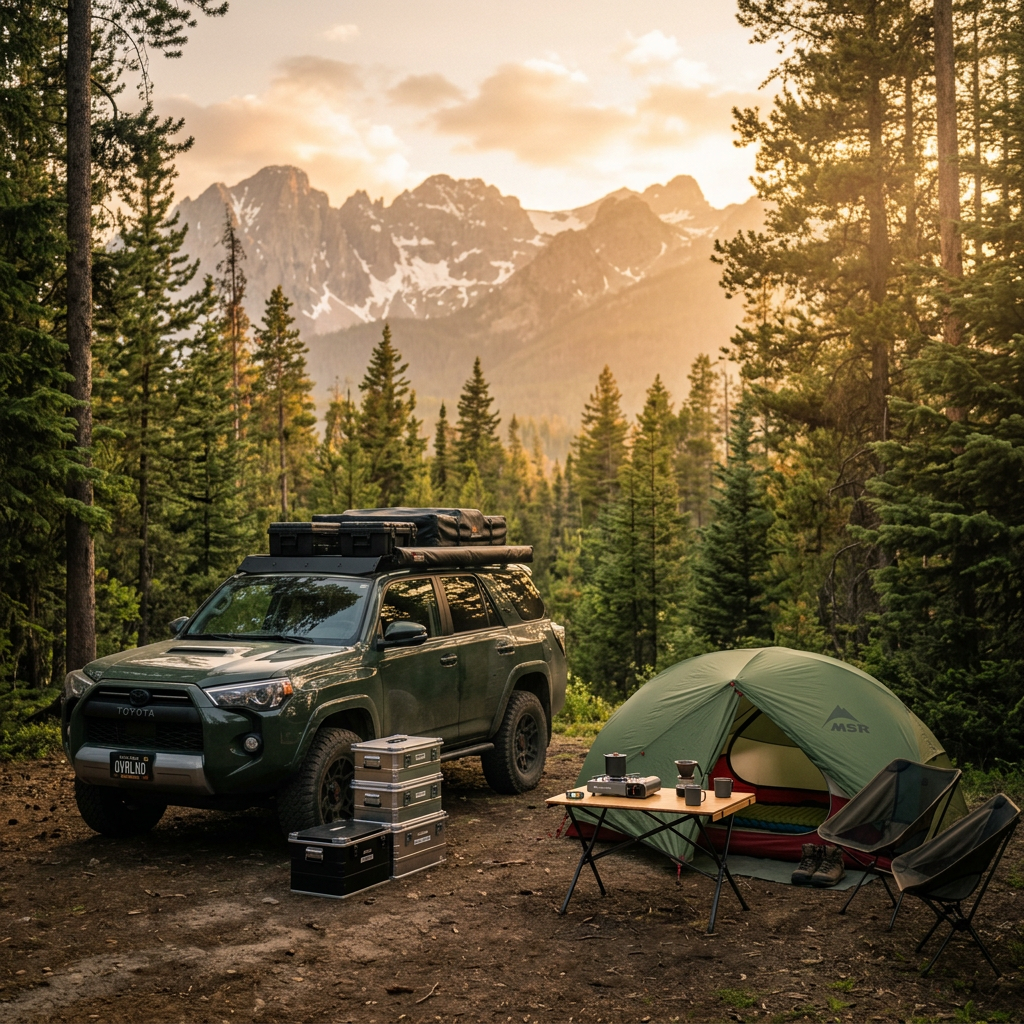
You Don’t Need to Pack Everything
There’s a version of every camper who packs like they’re preparing for a six-month expedition, and a version who’s been doing this long enough to know most of that gear never leaves the bag. The truth is overpacking costs you more than the space it takes up — it’s more weight, more time digging through totes at camp, and more stuff to unpack and repack every single trip. Here’s what I’ve cut from my own kit, and why leaving it home actually made camping better.
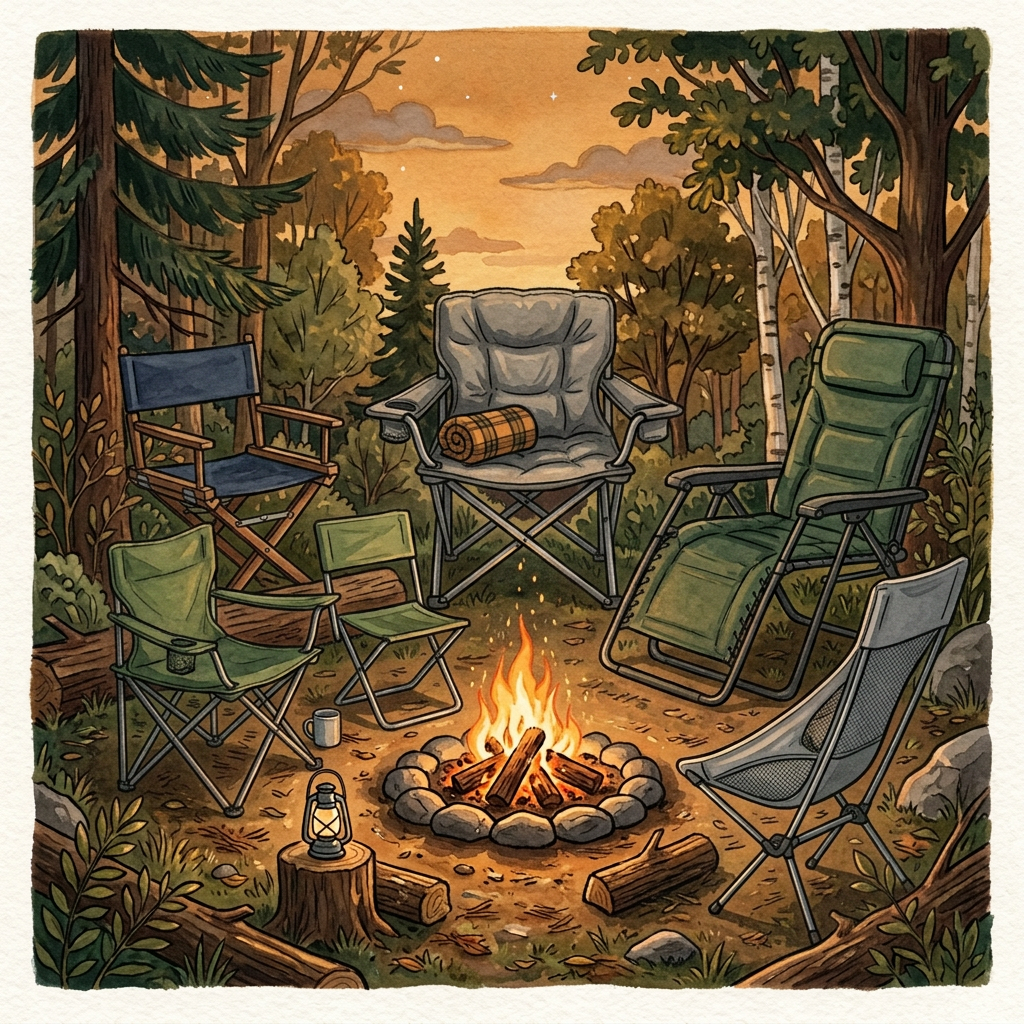
1. The Second (or Third) Camp Chair “Just in Case”
One extra chair for guests who might show up is reasonable. A trunk full of spares “just in case” isn’t. If people are coming, they can bring their own — or sit on a cooler for twenty minutes. Every unused chair is dead weight and wasted space you could use for gear that actually gets touched.
2. A Full Toolbox
You don’t need every socket size and a full ratchet set for a weekend trip. A compact multi-tool, a tire plug kit, and the basics (zip ties, duct tape, a couple of wrenches sized to your vehicle) cover 90% of roadside issues. If something breaks that a pocket toolkit can’t fix, you’re probably calling for a tow anyway.
3. Multiple Changes of “Camp Clothes”
One set of clothes gets dirty at camp — that’s the point. Packing a fresh outfit for every day of a two-night trip means hauling a suitcase’s worth of laundry that’ll all smell like campfire smoke by day two regardless. Two sets, rotated, is plenty.
4. A Full-Size Cooler AND a Fridge/Freezer
If you’re running a powered fridge, you don’t need a second 100-quart cooler taking up the rest of your trunk. Pick one. The fridge earns its space by not needing ice, and the cooler you already own can stay home unless you’re feeding a crowd.
5. Books You Won’t Read
Be honest about how much reading actually happens at camp versus how much gets done around the fire, hiking, or just staring at the view. One book, or a phone with something downloaded, covers it. The stack of “maybe I’ll get to these” paperbacks doesn’t need to make the trip.
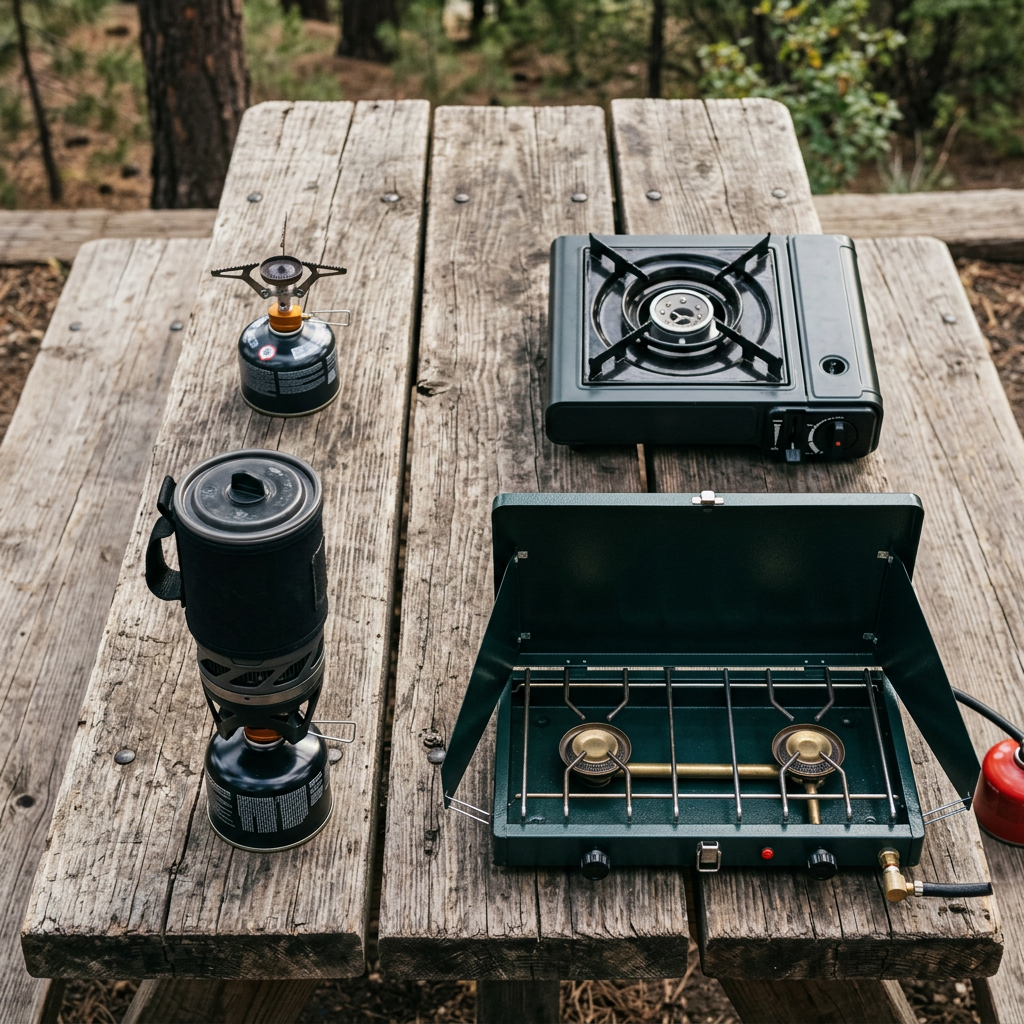
6. Excess Cookware
You don’t need your full kitchen’s worth of pots and pans for camp meals. One pot, one pan, and a kettle handle the vast majority of what people actually cook outdoors. If your meal plan needs more than that, simplify the meal plan, not the gear list.
7. A Generator (If You Have a Power Station)
If you’re already running a decent portable power station, a gas generator is redundant weight, noise, and fuel you don’t need for a weekend. Save the generator for actual off-grid, multi-day, high-draw situations — not for keeping a couple of phones and a fridge charged.
8. Every Recovery Tool You Own
Recovery gear is essential, but there’s a difference between “prepared” and “carrying a full winch rigging kit for a graded gravel road.” Match your recovery kit to the terrain you’re actually running. Tracks, a strap, and shackles cover most situations; save the heavier gear for trips where you genuinely need it.
9. Décor
String lights, rugs, extra tarps for “ambiance” — nice for a backyard hangout, unnecessary weight for a trip where you’re breaking camp in two days. The view is the decoration. Spend the pack space on something functional instead.
10. Backup Batteries for Everything
Rechargeable gear with a solid power bank or power station covers most of your charging needs. You don’t need a drawer of AA/AAA batteries for every device “just in case” when one power station handles headlamps, phones, and lanterns through USB. Fewer battery types to track means fewer dead devices at the worst time.
Bottom Line
Packing light isn’t about depriving yourself — it’s about carrying what you’ll actually use instead of what you think you might need. Every item on this list has a version that already exists in your kit and does the job just fine without a redundant backup. Cut the duplicates, cut the “just in case” gear, and you’ll find camp setup gets faster and the trunk actually closes.
— Dirt Road Camp Explore farther. Camp smarter.



Leave a Reply