More Than Just a Tent: Choosing the Right Shelter for Your Trip
Compare. Choose smart. Stay comfortable anywhere.
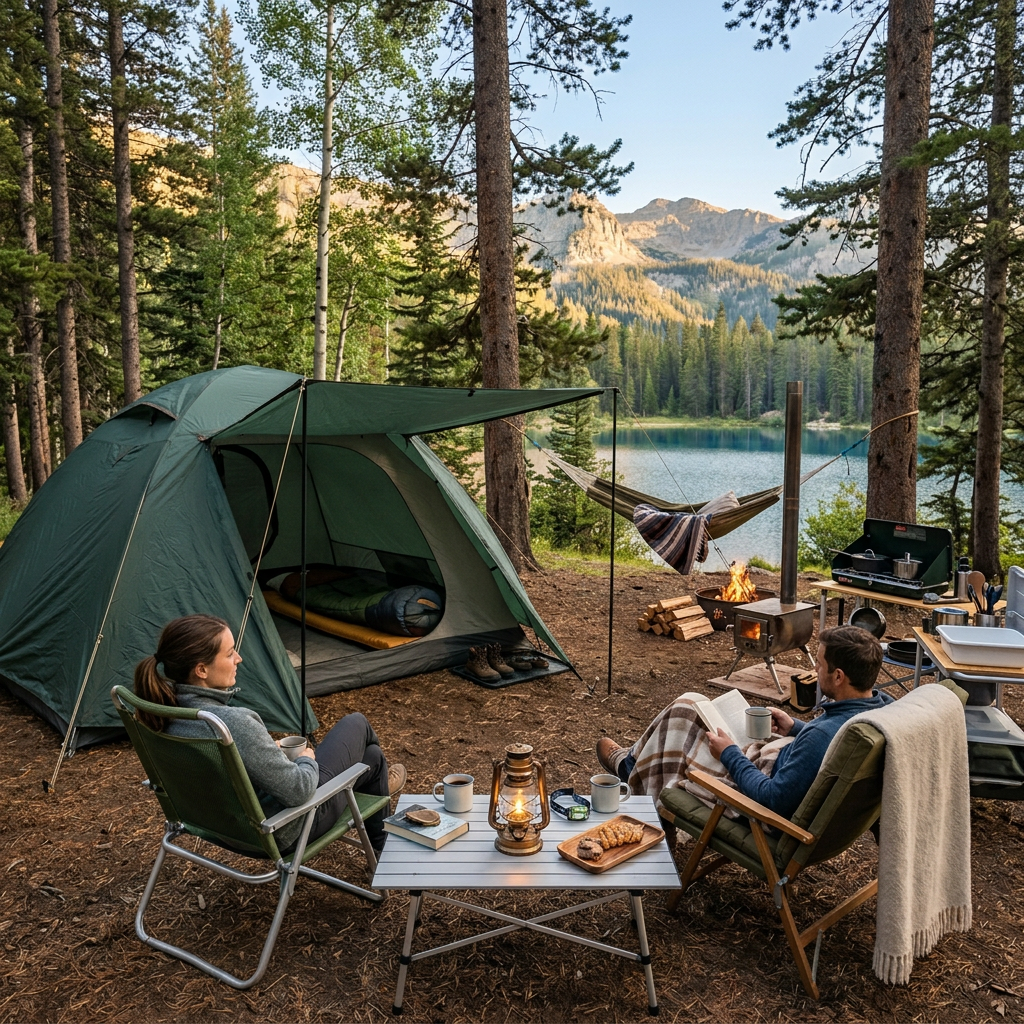
Most people plan a camping trip around one shelter: the tent. But your tent handles sleeping — it doesn’t handle the six hours you’re actually awake at camp, cooking, hanging out, hiding from the sun, or waiting out a sudden downpour. That’s a different job, and it needs different gear.
There are four main options, and each one solves a different problem. Here’s how to tell them apart, and what we’d actually buy in each category.
Gazebo — Freestanding Shade With Full Coverage
A gazebo is the base-camp option: four independent legs, no vehicle required, and a big, stable shaded area for a group. Setup runs 5–10 minutes, and it handles sun and light rain well (especially with sidewalls added).
Best for: Base camps, day use, group shade Trade-off: Heavy and bulky — this is the one you leave in the truck for weekend trips, not the one you carry on a hike
The OZtrail Deluxe 3.0 Gazebo is the exact model worth looking at — reinforced gables and anti-ponding bars mean it holds up in wind instead of collapsing the first time it gusts. (Confirmed available on Amazon UK and Amazon KSA; US availability may vary by listing — worth double-checking before you buy if you’re in the US.)
Awning — Quick Shade That Extends From Your Vehicle
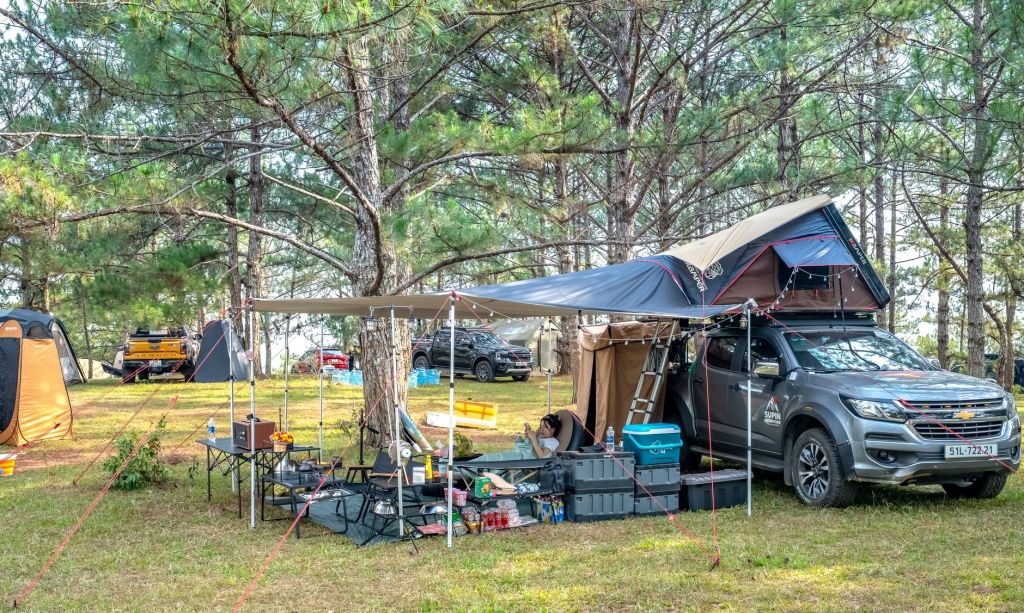
If your rig is already doing the heavy lifting, an awning is the fastest shelter you’ll ever set up — 2 to 5 minutes, and it’s attached to your vehicle instead of a separate structure you have to carry, stake, and pack away.
Best for: Quick stops, cooking, relaxing in the shade Trade-off: Needs a vehicle to attach to, and less coverage on the sides than a gazebo
The ARB Retractable Awning (2.5m) is the same trusted brand already behind our recovery gear picks — self-standing, 30-second deploy, and it even includes a built-in LED light strip. If you want to go further, ARB also makes a matching Awning Room accessory that turns the same awning into a fully enclosed space — effectively upgrading it into annex territory without buying a second shelter.
Tarp — Lightweight, Versatile, and Packable
A tarp is the minimalist’s answer: no poles of its own (most pitch with trekking poles or paracord), packs down to almost nothing, and costs a fraction of the other three options. What you trade for that is effort — a tarp takes practice to pitch well, and it’s not freestanding.
Best for: Minimalists, fast setups, ultralight trips Trade-off: Needs practice, limited weather protection compared to an enclosed shelter
The Sea to Summit Escapist Tarp (Large) is genuinely ultralight without being flimsy — reinforced tie-out points and a catenary-cut edge that keeps it from flapping in wind, which is usually where cheaper tarps fail first.
Annex — Enclosed Room That Adds Extra Space
An annex is what you reach for when you need real enclosed space — extra sleeping room, privacy, or somewhere dry to store gear that isn’t the inside of your tent or vehicle. It takes the longest to set up (10–20 minutes) and it’s the bulkiest and priciest of the four, but nothing else on this list gives you a genuine private room.
Best for: Extra sleeping room, privacy, gear storage, families Trade-off: Bulky, heavier setup, higher cost
As above, the ARB Awning + Awning Room bundle covers this category well — the awning provides the frame, and the room attaches to it fully enclosed, with a floor included. One system doing two jobs.
How to Actually Choose
Don’t buy all four. Work backward from your trip:
- Think about your trip type and group size — solo minimalist trips want a tarp; family base camps want a gazebo or annex
- Check the weather you expect — light sun protection is a different job than a surprise downpour
- Decide how much setup time you’re willing to spend — 2 minutes vs. 20 minutes matters more than it sounds like on a cold, tired evening
- Balance coverage, weight, and pack size against how much space you actually have in the vehicle
- Choose the shelter that fits the adventure you’re actually taking, not the one that looks best in photos
For most beginners building out a first setup, the honest order of priority is: awning first (it’s already attached to your vehicle and takes minutes to deploy), tarp second if you want a cheap, packable backup, and gazebo or annex only once you know you’re doing regular group trips or need dedicated private space.
Grab our free Beginner Overland Rig Checklist to make sure the rest of your setup is dialed in — link in bio.
— Dirt Road Camp Explore farther. Camp smarter.


 Dirt Road Camp
Leave a comment