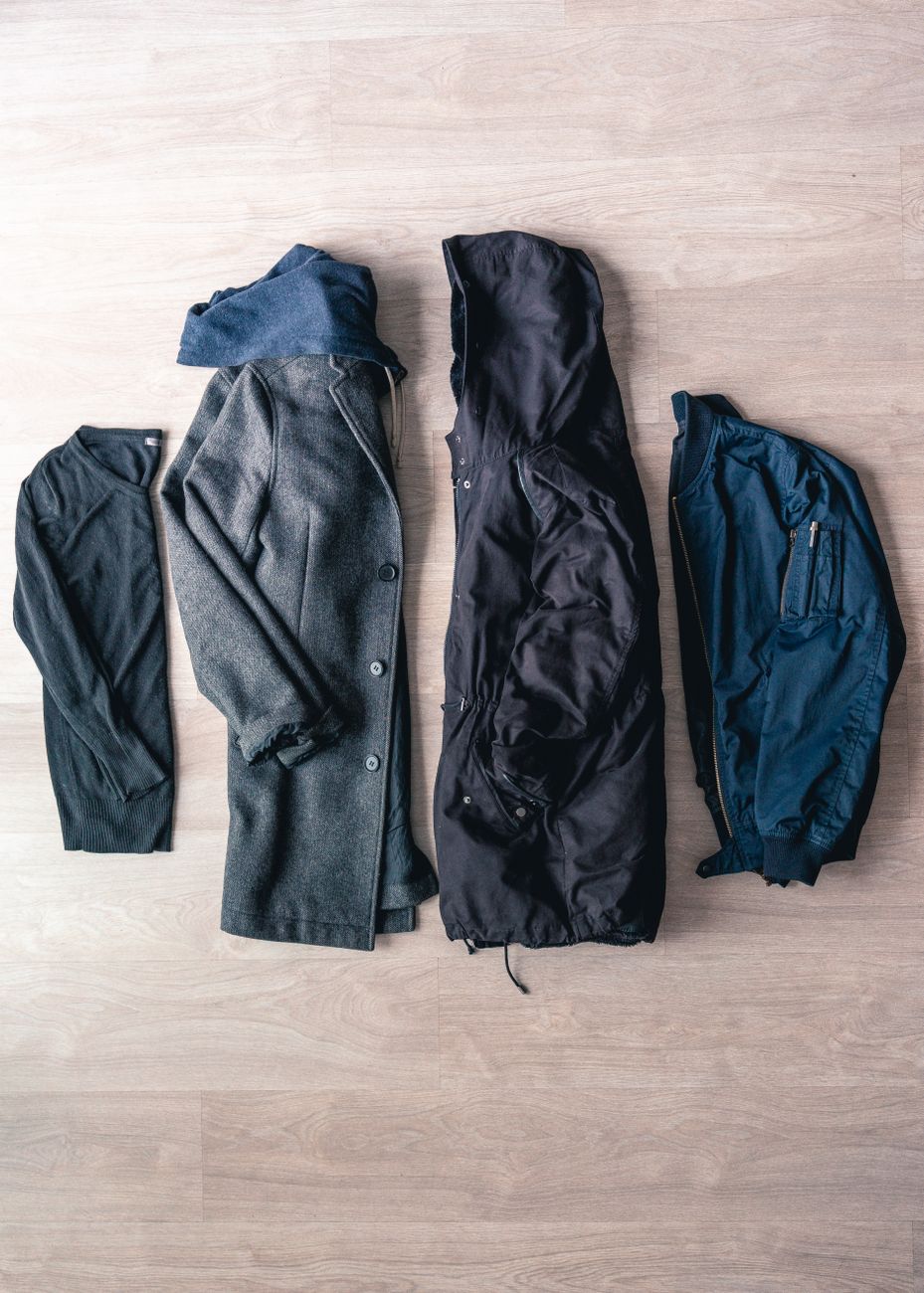
What to Wear Camping: The 4-Layer System That Actually Works
Dress smart. Layer right. Enjoy more adventures.
Most bad camping experiences aren’t about gear failures — they’re about being cold, wet, or both, because of what you packed to wear. The fix isn’t buying one “perfect” jacket. It’s understanding that camping clothing works as a system: four layers that each do one job, that you add or remove as conditions change.
Here’s exactly how it works, and what we’d actually pack in each category.
Layer 1: Base Layer — Wick Moisture
This is the layer against your skin, and it has one job: move sweat away from your body before it makes you cold. Cotton fails at this completely — once cotton gets damp, it stays damp, and it pulls heat straight off your skin. Merino wool or synthetic fabrics solve this by wicking moisture out and drying fast.
When to wear it: Always, next to skin, in every season What to look for: Moisture wicking, breathable, snug fit (not tight) Pack tip: Wear it, and always pack a spare
The Minus33 Merino Wool Midweight Base Layer Set is a genuinely solid pick — tagless construction so there’s no itch, and it’s breathable enough to work as either a base layer or a light mid layer depending on conditions.
Layer 2: Mid Layer — Trap Warmth
The mid layer’s job is trapping the warm air your body generates. Fleece, wool, or a light synthetic jacket all work by creating loft — tiny air pockets that hold heat. This is the layer you add when it’s cool and remove the moment you warm up from moving around.
When to wear it: Cool mornings, evenings, and cold weather What to look for: Good warmth-to-weight ratio, breathable, easy to layer under a shell Pack tip: Choose 1-2 layers you can mix and match rather than one heavy piece
The Columbia Steens Mountain 2.0 Full Zip Fleece is a long-running classic for good reason — soft filament fleece, zippered security pockets, and it layers cleanly under a rain shell without feeling bulky.
Layer 3: Waterproof Layer — Stay Dry
This layer blocks wind and rain so the layers underneath can actually do their job. A good waterproof shell isn’t just “not letting water in” — it also needs to breathe, or you’ll end up just as wet from your own sweat trapped inside.
When to wear it: Rain, wind, snow, and wet conditions What to look for: Waterproof rating, windproof, breathable Pack tip: Pack it lightweight and always keep it accessible — this is not the layer to bury at the bottom of your bag
The Columbia Watertight II Rain Jacket packs down into its own pocket, which means there’s no excuse not to have it within reach. Seam-sealed construction and an adjustable hood keep it doing its job even in a real downpour.
Layer 4: Insulation Layer — Lock In Heat
This is your heavy-duty warmth layer, reserved for actual cold — resting at camp, high elevation, or once the sun drops. Down or synthetic-insulated jackets add serious warmth without much weight, which matters when you’re already carrying three other layers.
When to wear it: When it’s cold, or you’re not moving What to look for: High warmth, lightweight, compressible Pack tip: Pack it last, and save it for camp and rest — you’ll overheat wearing it while active
The Amazon Essentials Packable Hooded Puffer Jacket is the budget-friendly entry point here — water-resistant, packs into its own carry bag, and it’s genuinely warm for how little space it takes up in a bag.
Don’t Forget These Extras
The four-layer system covers your core, but heat escapes fast through your head, hands, and feet — and these small pieces make an outsized difference for very little pack space:
- Hat & beanie — heat escapes through your head fast. The Carhartt Acrylic Watch Hat is a cheap, durable staple that’s earned its reputation for a reason.
- Gloves — waterproof for rain, insulated for cold. The Carhartt Waterproof Insulated Knit Cuff Gloves handle both without sacrificing dexterity.
- Socks — merino wool keeps feet warm and dry, and this is one place not to cheap out. Darn Tough Merino Wool Hiker Socks come with a genuine lifetime guarantee — if they wear out, they get replaced.
- Neck gaiter — extra warmth and wind protection for almost no pack space. The Carhartt Fleece Neck Gaiter does the job without the bulk of a full scarf.
- Sun protection — hat, sunglasses, and SPF matter just as much as cold-weather gear. Don’t let “layering for cold” mean you forget the opposite problem.
A Good Layering System, In Practice
Base → keep dry. Mid → keep warm. Waterproof → stay dry. Insulation → lock in heat.
Four layers, countless adventures — the whole point is that you’re never stuck with one option. Check the weather, layer up or down as needed, and pack light with versatile pieces that mix and match rather than one bulky “do everything” jacket that does nothing particularly well.
Grab our free Beginner Overland Rig Checklist to make sure the rest of your setup is dialed in too — link in bio.
— Dirt Road Camp Explore farther. Camp smarter.


 Dirt Road Camp
Leave a comment