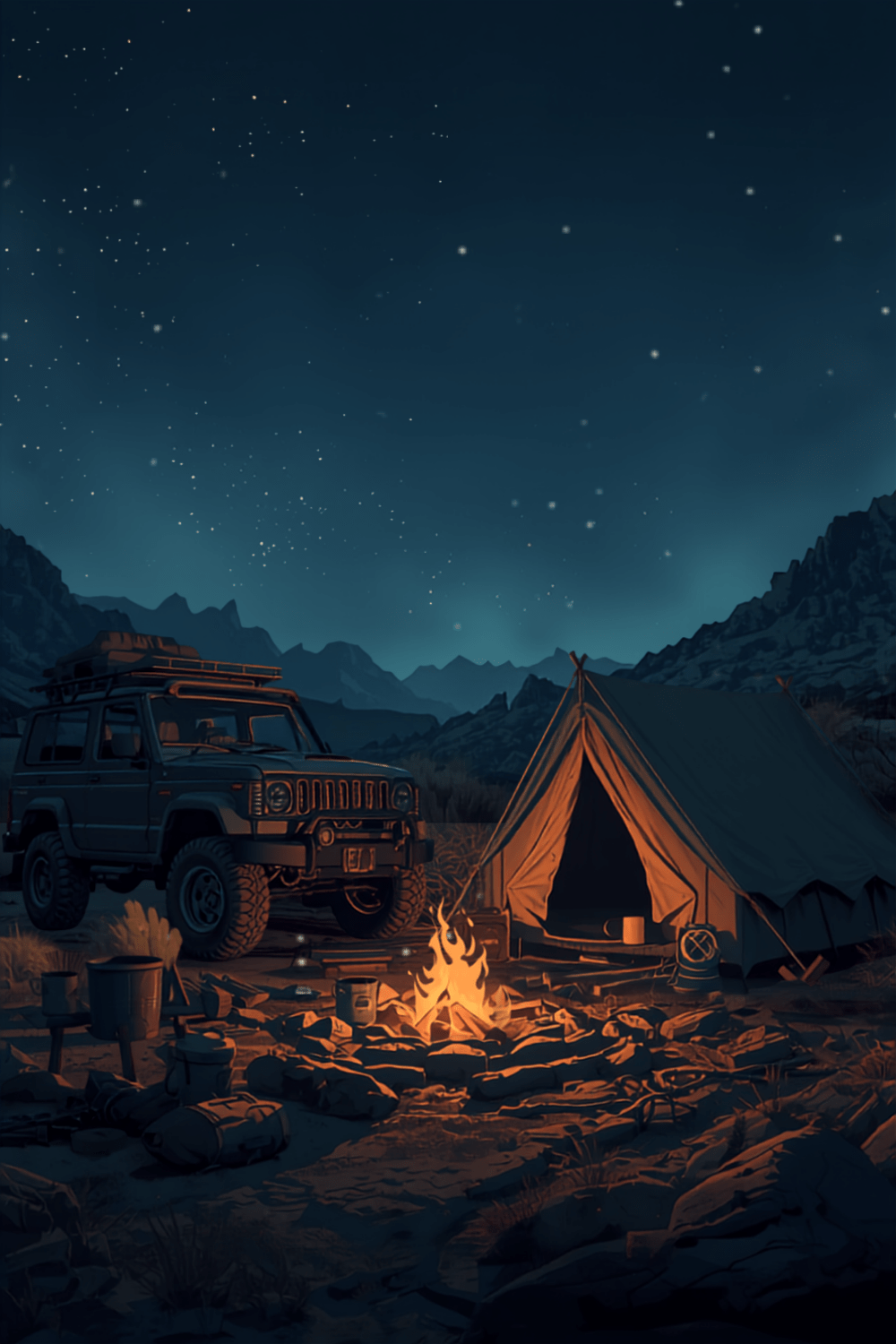
Camp Setup Essentials for Your First Overlanding Trip
Recovery gear gets you unstuck. Camp setup is what makes the trip actually worth taking. This is the gear that turns “we made it to the site” into an evening you want to repeat — and it’s where a lot of beginners either overspend on comfort they don’t need yet, or underspend and end up cold, hungry, or fumbling in the dark.
Here’s what actually earns a spot in your rig for camp.
Sleep System
Tent or Rooftop Tent
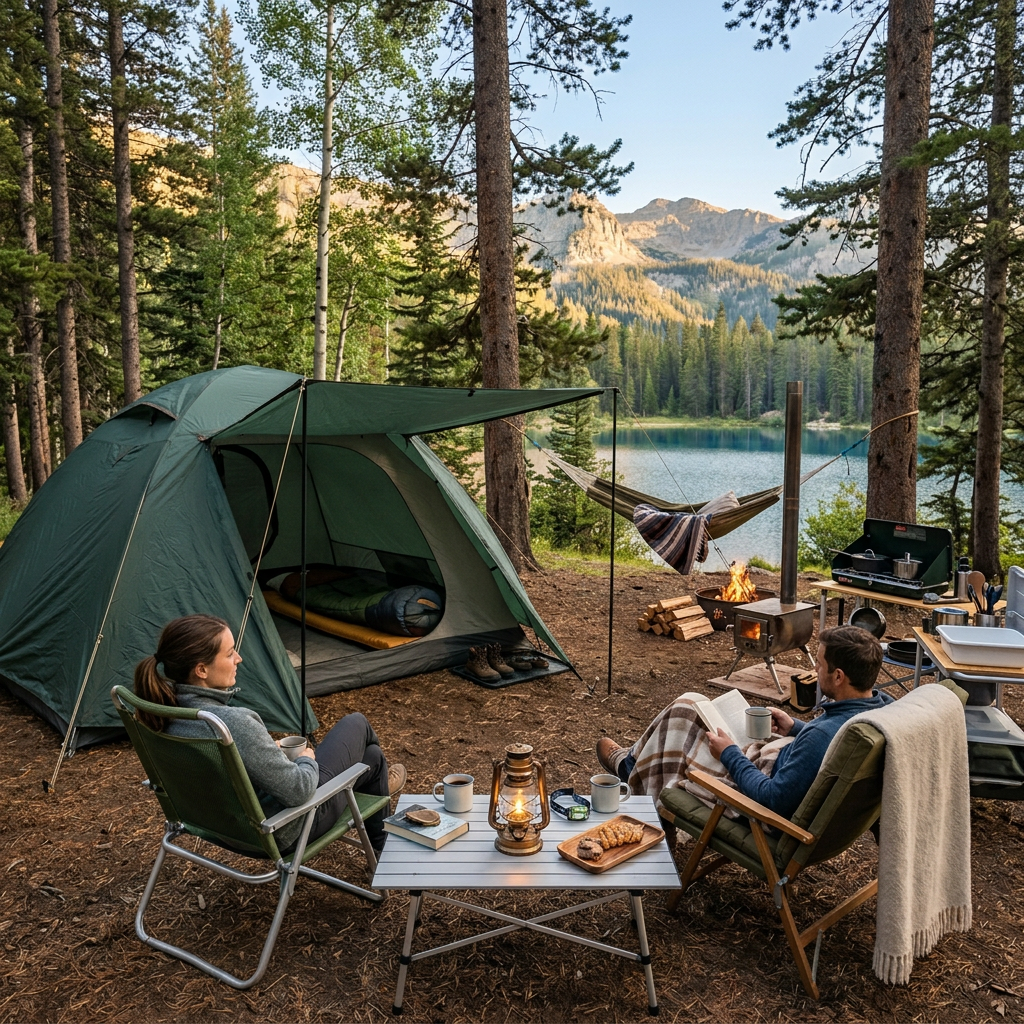
A ground tent is the cheapest, most flexible place to start — it goes anywhere your vehicle can’t, packs small, and doesn’t require roof rack compatibility. Rooftop tents are faster to set up and keep you off wet or uneven ground, but they’re a bigger investment and tie you to wherever you park. Neither is wrong for a beginner; pick based on budget and how often you’ll actually use it.
Whichever you choose, weather-check it and practice setup once in the yard before your first trip. The trailhead at dusk is not the time to learn. The Coleman Sundome Tent is a dependable, budget-friendly ground tent to start with.
Sleeping Bag Rated for the Trip
Match the bag’s temperature rating to the coldest night you’ll realistically camp, not the average. A bag rated 10–15°F below your expected low gives you margin — being too warm is a non-issue, being too cold ruins the trip. The Coleman Brazos 20/30°F Sleeping Bag covers most three-season trips.
Camp Kitchen
Stove, Fuel, and a Pot
You don’t need a full galley for your first trips. A two-burner camp stove, a pot, and basic utensils cover most meals. Add cookware as you figure out what you actually cook on the road, rather than buying a full kitchen kit before your first outing. The Coleman Triton+ 2-Burner Propane Stove is a solid, reliable starting point.
Cooler or Fridge
A quality cooler with good ice retention is enough for weekend trips. A 12V fridge is a worthwhile upgrade once you’re doing longer or more frequent trips, since it removes the “did the ice survive” guesswork entirely — but it’s a several-hundred-dollar step up, not a beginner requirement. The Coleman Classic 52-Quart Cooler keeps ice for several days and won’t break the bank.
Comfort Gear
Camp Chairs and a Folding Table
Small, cheap, and disproportionately important for how much better camp feels. A place to sit that isn’t the ground or your tailgate changes the whole evening. The Coleman Portable Camping Chair with 4-Can Cooler does double duty as a drink cooler in the armrest.
Headlamp or Lantern + Spare Batteries
Hands-free light matters more than people expect until they’re setting up a tent one-handed in the dark. Pack spare batteries separately from the device so you’re not digging through a bin at 9pm. The Black Diamond Spot 400 Headlamp is bright, waterproof, and the go-to choice for a reason.
The Easy-to-Forget Stuff
- Trash bags — pack it in, pack it out is non-negotiable in most backcountry and dispersed camping areas
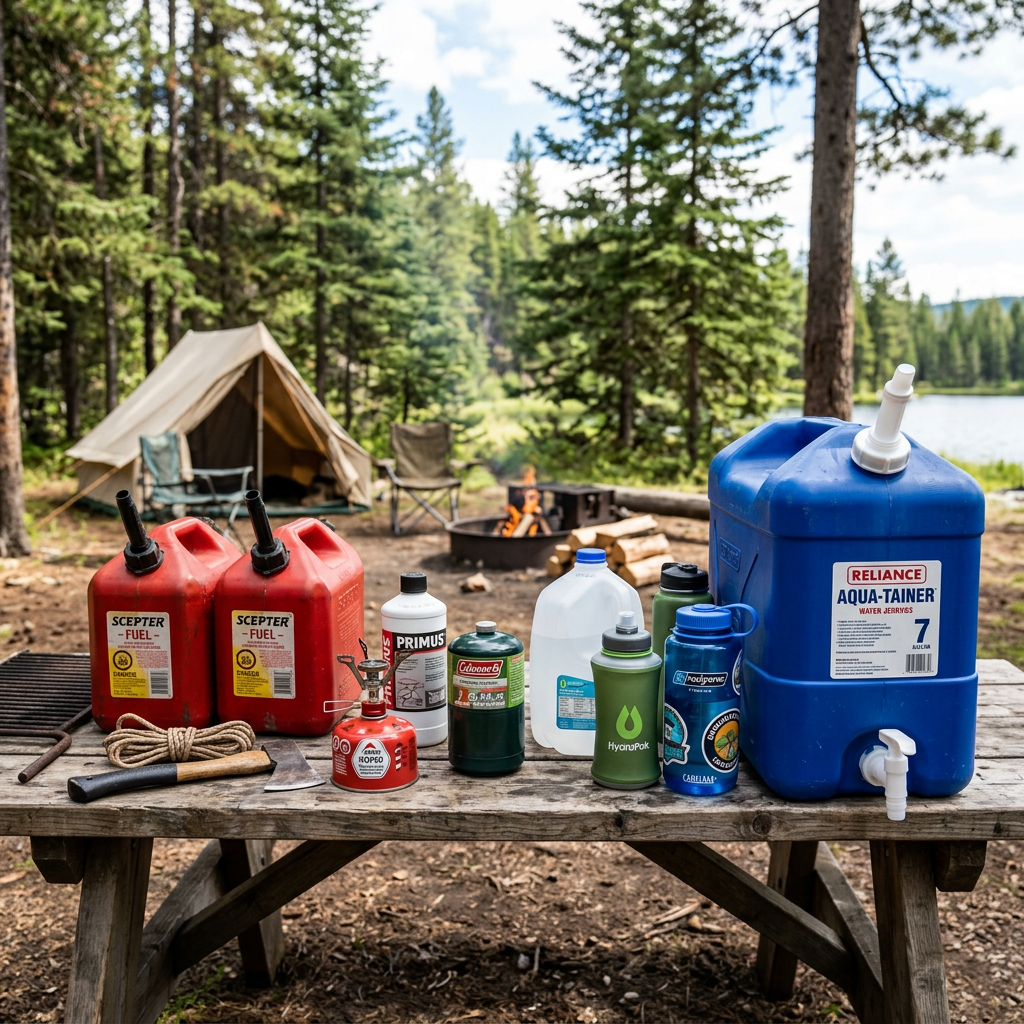
- Extra water — plan on at least 1 gallon per person per day, more if you’re cooking or it’s hot
- Layered clothing — temperatures swing hard after sunset even in summer
- Sunscreen and bug spray — small, cheap, and always forgotten until you need them
What to Skip For Now
Skip the full outdoor kitchen slide-out, the 300-watt solar setup, and the annex room for your rooftop tent. Those are upgrades for once you know how often you’re actually camping and what you personally find yourself missing — not day-one purchases. Most beginners overbuy comfort gear before their first trip and underbuy it after, once they know what they actually use.
Building the Kit in Order
- Tent or rooftop tent
- Sleeping bag rated for your climate
- Stove + basic cookware
- Cooler
- Chairs + table
- Headlamp/lantern
Everything past that — the fridge, the awning, the camp shower — is worth adding once you’ve got a few trips under your belt and know what you’re actually missing, rather than what looks good in a gear photo.
Grab the full packing rundown — vehicle prep, recovery gear, navigation, and camp setup all in one printable — with our free Beginner Overland Rig Checklist.

 Dirt Road Camp
Leave a comment