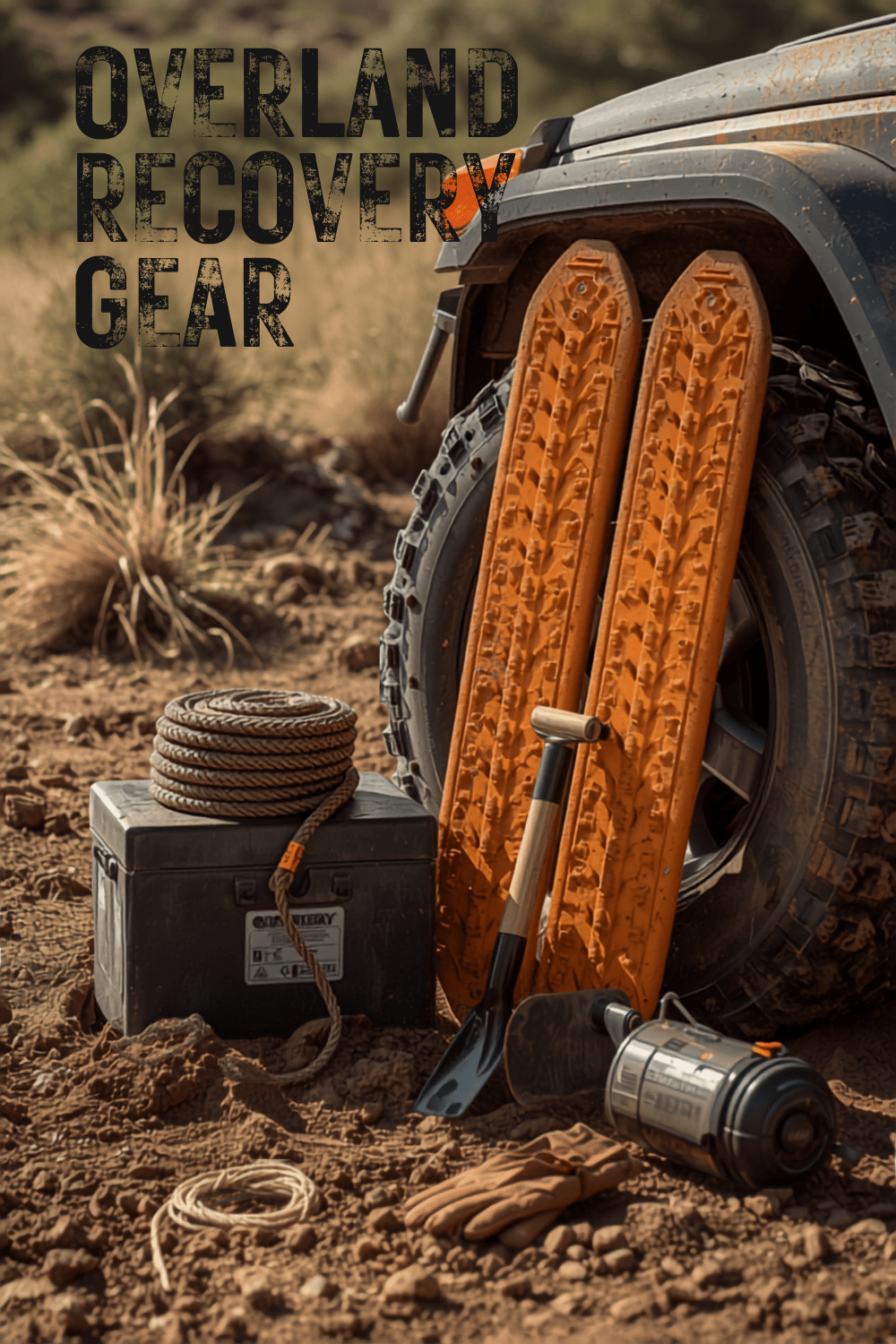
Recovery Gear Every Overlander Should Pack
You don’t need to be stuck in the mud to appreciate recovery gear — you need to pack it before you’re stuck in the mud. That’s the whole point. Recovery gear is the stuff you hope you never use, but the one time you do, it’s the difference between a 20-minute delay and calling a tow truck from somewhere with no cell signal.
If you’re just getting into overlanding, here’s the recovery kit worth building first — no $30,000 rig required.
Why Recovery Gear Comes Before the Fun Stuff
It’s tempting to spend your first gear budget on a rooftop tent or a slide-out kitchen. But recovery gear is the category that actually keeps a bad afternoon from becoming a bad weekend. Mud, sand, snow, and loose gravel don’t care how new your rig is — they care whether you’re prepared.
The good news: a solid starter recovery kit costs less than most rooftop tents, and it fits in a corner of your trunk.
The Core Kit
Traction Boards
A pair of traction boards goes under a stuck tire to give it something to grip besides mud or sand. They’re the single most useful piece of recovery gear for a beginner because they solve the most common problem — a spinning tire with nothing to bite into — without needing a second vehicle or a winch.
Look for boards rated for your vehicle’s weight, with aggressive teeth on both sides. We like MAXTRAX MKII Recovery Boards — pricier than knockoffs, but they’re the industry standard for a reason.
A Rated Recovery Strap or Kinetic Rope
If you do need a pull from another vehicle, you want a strap or rope rated well above your vehicle’s weight — not a tow strap from the hardware store. Kinetic ropes stretch slightly under load, storing energy that helps “pop” a stuck vehicle free with less shock than a static strap.
Never use a strap rated below your GVWR, and never attach to anything that isn’t a rated recovery point. The Rhino USA Kinetic Rope Recovery Kit is a solid starter pick — it conveniently comes bundled with soft shackles, covering the next item on this list too.
Shackles or Soft-Shackle Attachment Points
Your strap needs somewhere rated to attach. Soft shackles are lighter, cheaper, and safer in a snapback than steel clevis shackles, though both work — the key is attaching to a proper recovery point, not a bumper or tow ball. (If you grabbed the kinetic rope kit above, you’re already covered here.)
A Folding Shovel
Half of recovery isn’t pulling — it’s digging. A compact folding shovel lets you clear mud or sand from around a tire before you even reach for the traction boards, and it earns its space for camp chores too. The Rhino USA Folding Survival Shovel packs down small and has held up well for the price.
Gloves
Recovery gear under load can seriously injure hands. A basic pair of work gloves costs almost nothing and should live in the same bag as your straps and shackles — not the glovebox. Mechanix Wear Utility Gloves are a reliable, inexpensive pick.
A Backcountry-Rated First Aid Kit
Not strictly “recovery gear,” but it belongs in the same conversation. If something goes wrong while you’re recovering a vehicle — a pinched finger, a strap snap, a fall in the mud — you want more than a few band-aids in a plastic case. The Adventure Medical Kits Mountain Series Explorer covers 4 people for a week and is sized right for most weekend trips.
What You Can Skip For Now
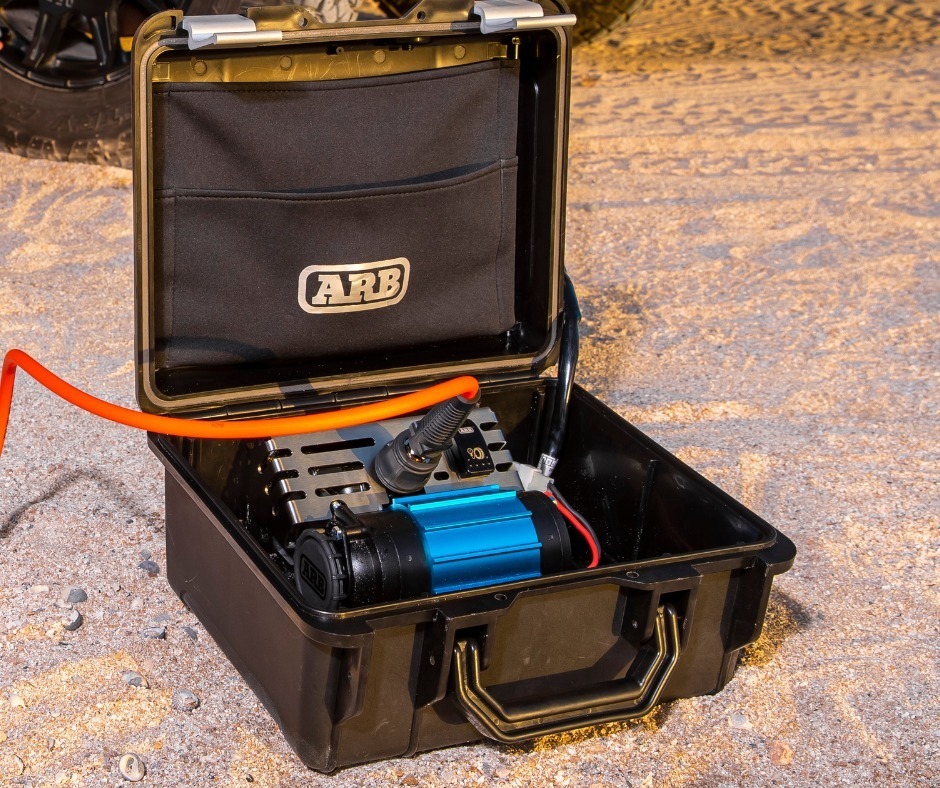
You don’t need a winch, air locker, or a second vehicle’s worth of gear for your first few trips. Winches are fantastic once you’re driving harder trails solo, but for maintained forest roads and moderate overlanding routes, traction boards plus a rated strap will get you out of the vast majority of situations beginners run into.
Building the Kit on a Budget
If you’re starting from zero, prioritize in this order:
- Traction boards
- Rated recovery strap
- Shackles/soft shackles
- Shovel
- Gloves
- First aid kit
That’s a kit you can build over a couple of paychecks rather than one big purchase — and every item on it earns its place on every single trip, not just the ones that go wrong.
Want the full packing list beyond recovery gear — vehicle prep, camp setup, navigation, and more? Grab our free Beginner Overland Rig Checklist and never leave something essential in the driveway again.

 Dirt Road Camp
Leave a comment